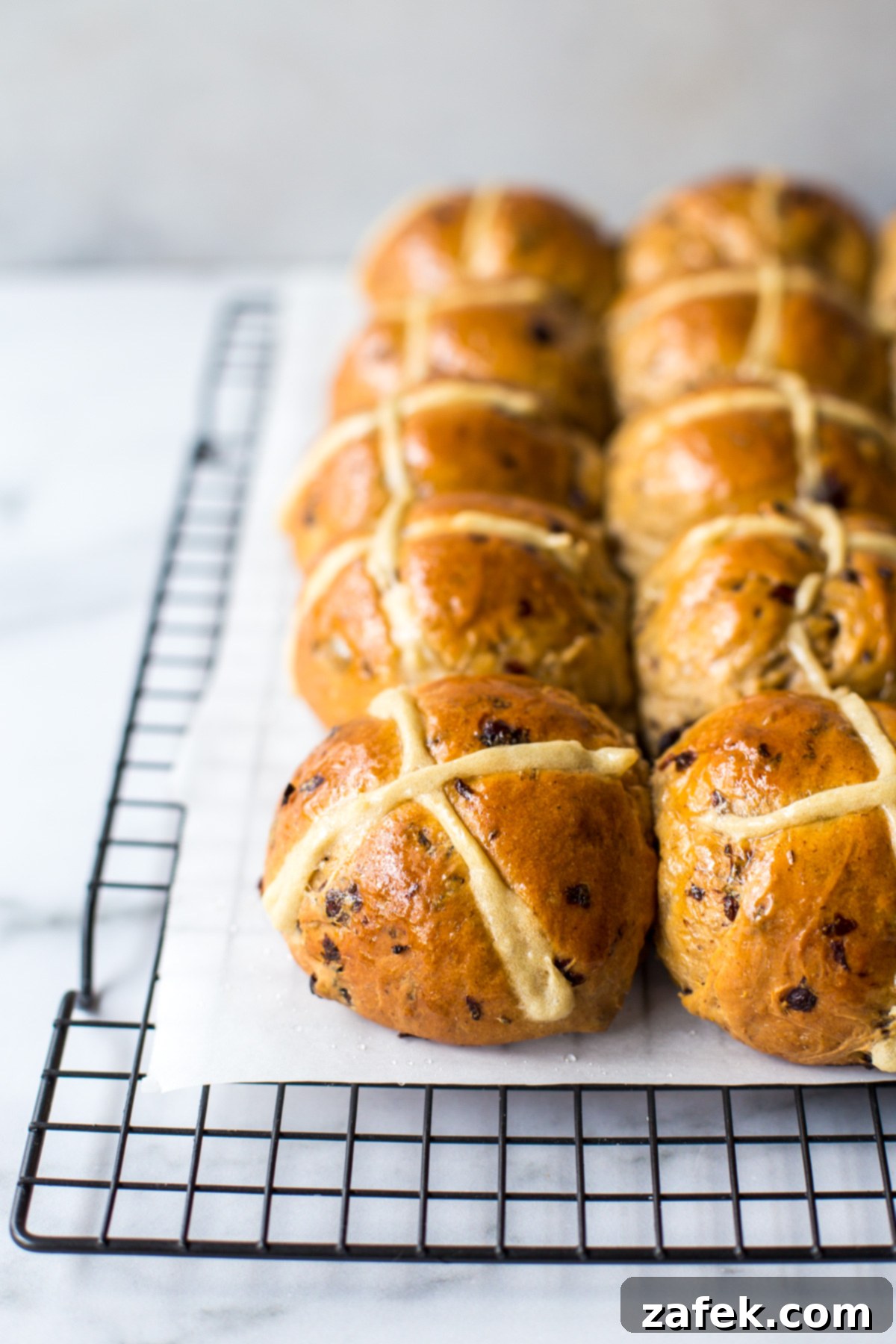
Classic Homemade Hot Cross Buns: Your Ultimate Guide to Light, Fluffy Easter Treats
As the Lenten season gently unfolds, a delightful and comforting aroma often begins to waft from kitchens around the world: the sweet, spicy scent of freshly baked Hot Cross Buns. More than just a simple pastry, these iconic buns, distinguished by their signature cross, are a beloved tradition that heralds the arrival of Easter. While store-bought versions offer convenience, there’s an unparalleled joy and superior flavor that comes from crafting these treats at home. This comprehensive guide will walk you through creating perfectly light, incredibly fluffy, and wonderfully fragrant homemade Hot Cross Buns, making them an ideal accompaniment to your morning coffee or a cherished afternoon tea.
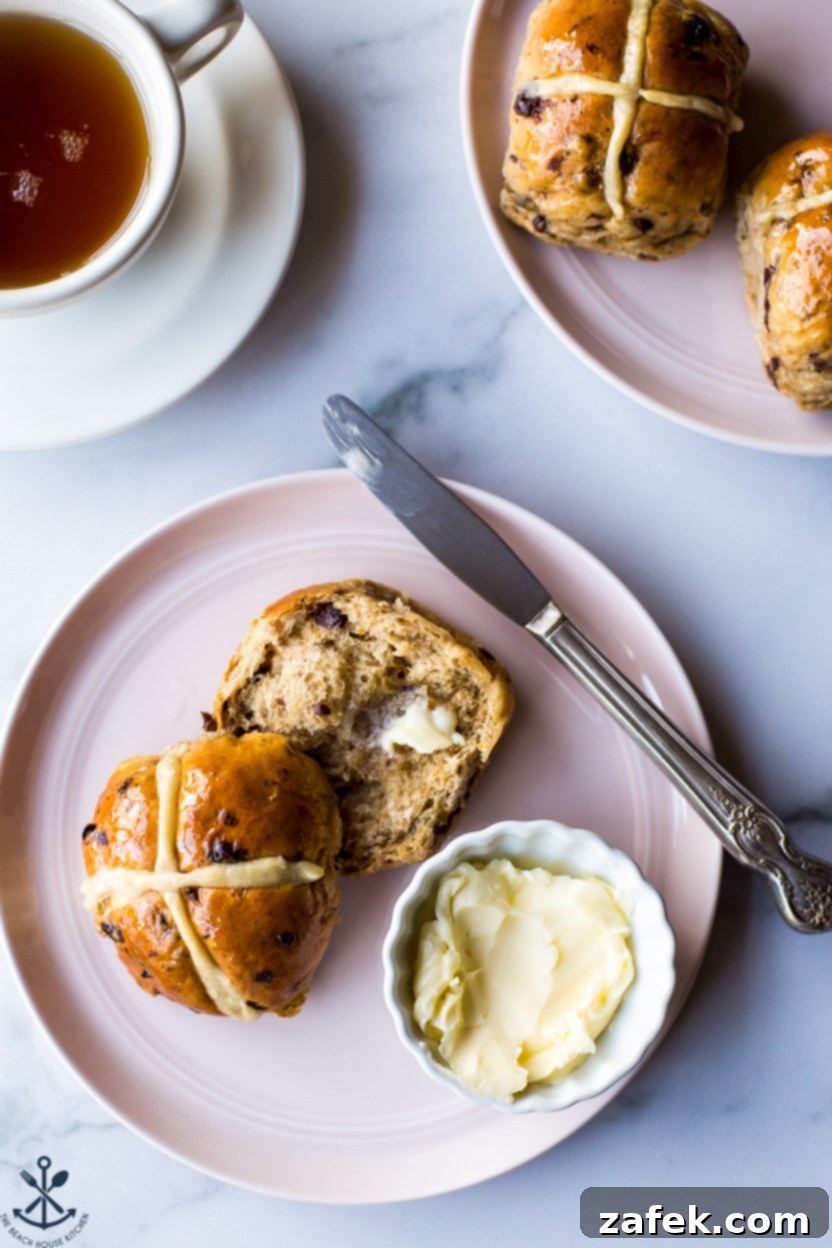
The Enduring Tradition of Hot Cross Buns
For many, Hot Cross Buns evoke strong memories and deep-rooted family traditions. Growing up, the Lenten season was synonymous with these sweet, spiced buns appearing regularly in our home. My Gram, a true enthusiast, ensured they were always on hand to complement her morning tea in the weeks leading up to Easter. Even though my mother wasn’t much of a baker herself, she lovingly sourced them from our favorite local bakery, a testament to their irresistible appeal and their vital role in our family’s seasonal rituals. Those bakery buns were always delicious, but there’s something uniquely special about the warmth and aroma of a homemade batch.
The history of Hot Cross Buns is as rich and flavorful as the buns themselves. Traditionally consumed on Good Friday, these buns are steeped in Christian symbolism. The distinctive cross, often piped with a flour paste or icing, is said to represent the crucifixion, while the spices used within the dough are thought to symbolize the spices used to embalm Christ. However, the tradition of spiced buns marked with a cross might even predate Christianity, with some historians suggesting ancient cultures baked similar treats to honor goddesses or mark seasonal celebrations. Regardless of their exact origin, Hot Cross Buns have evolved into a universally recognized symbol of spring and renewal, enjoyed by people of all backgrounds.
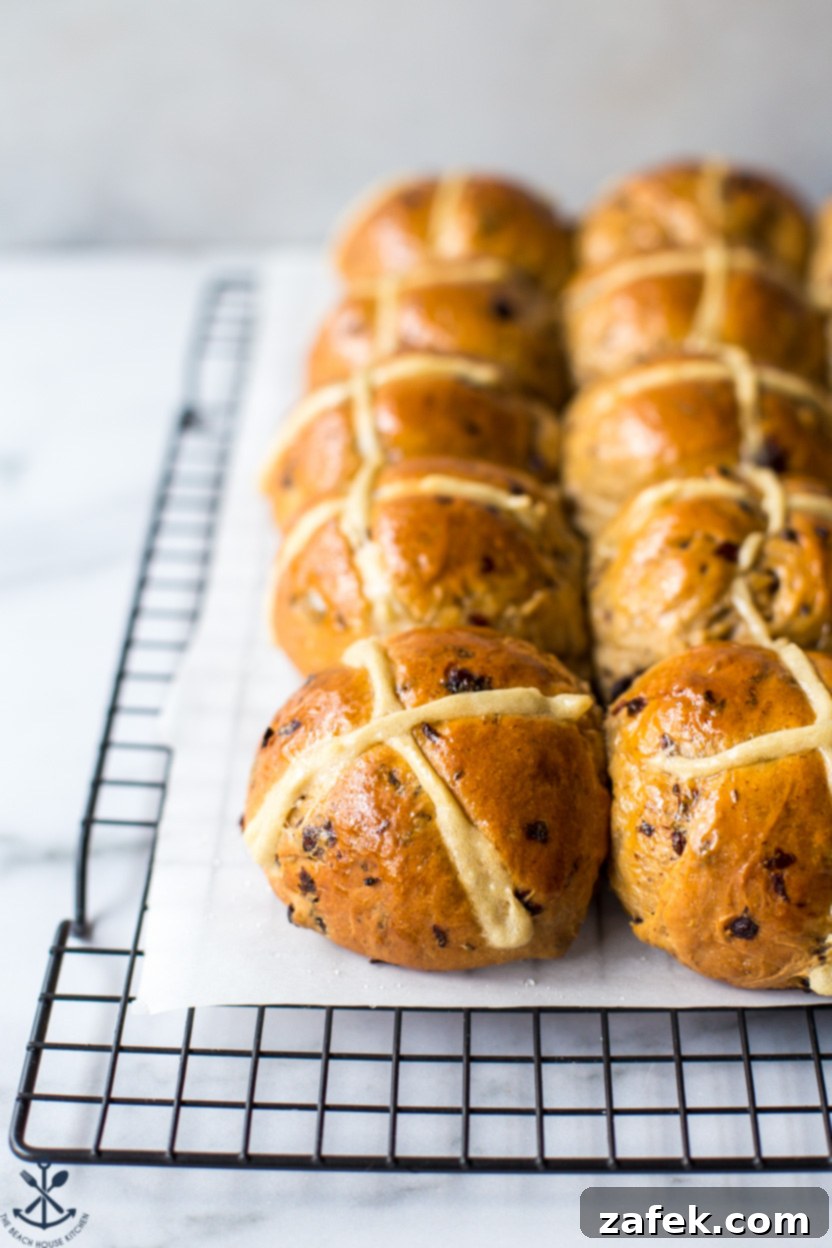
Why Homemade Hot Cross Buns Are a Game-Changer
A few years ago, I decided to conquer my long-standing apprehension about baking with yeast. For a long time, the idea of working with active dry yeast, proofing dough, and waiting for it to rise felt daunting. However, embarking on the journey of homemade bread-making has been an incredibly rewarding experience, and perfecting my skills is an ongoing passion. I can confidently say that this Hot Cross Bun recipe has been a true turning point in my baking endeavors.
There’s a significant difference between a homemade Hot Cross Bun and its commercial counterpart. Homemade buns boast an unparalleled softness and a delicate crumb that simply melts in your mouth. They are generously studded with juicy currants, infused with a vibrant burst of fresh orange zest, and seasoned with a harmonious blend of warming spices like cinnamon, cloves, and nutmeg. The effort involved in their creation, particularly the necessary rising times, pays dividends in a taste and texture that mass-produced versions just can’t replicate. Each bite is a testament to the care and love poured into their preparation, making every minute spent in the kitchen utterly worthwhile.
Essential Ingredients for Irresistible Hot Cross Buns
The magic of Hot Cross Buns lies in the balance of simple yet potent ingredients. Understanding each component helps in achieving that perfect, bakery-quality result at home:
- Currants: These tiny, tangy dried grapes are traditional and provide a wonderful chewiness and bursts of fruity flavor.
- Active Dry Yeast: The heart of any risen bread, ensuring your buns achieve that coveted light and airy texture. Proper activation is key!
- Granulated Sugar: Not just for sweetness, sugar also feeds the yeast and contributes to a tender crumb and golden crust.
- Whole Milk: Adds richness and moisture to the dough, creating a softer texture than water alone. Ensure it’s warm enough to activate yeast but not too hot to kill it.
- All-Purpose Flour: The structural base of your buns. Sifting it helps ensure a lighter texture and easier mixing.
- Ground Cinnamon, Cloves, & Nutmeg: This classic trio of warming spices defines the characteristic aroma and flavor of Hot Cross Buns, evoking comfort and tradition.
- Unsalted Butter: Contributes tenderness, richness, and flavor to the dough. Melting it allows for even distribution.
- Egg: Acts as a binder, adds richness, and helps create a more elastic dough, leading to a better rise and softer bun.
- Orange: Specifically, its zest, provides a bright, citrusy counterpoint to the warm spices and dried fruit, elevating the overall flavor profile.
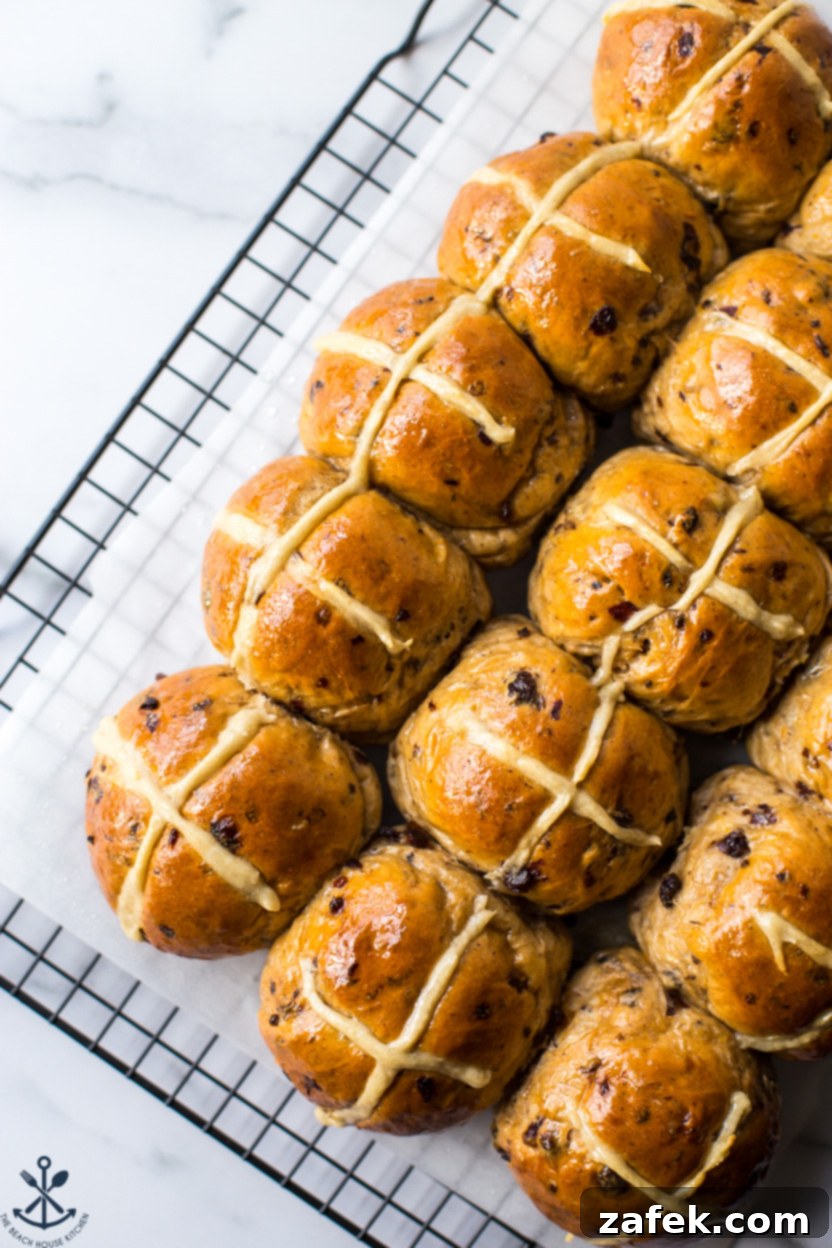
Mastering the Art of Baking Hot Cross Buns: A Detailed Guide
While making Hot Cross Buns might seem intimidating at first, especially for those new to yeast baking, each step is straightforward and incredibly rewarding. Patience, particularly during the rising phases, is your best friend. Follow these steps for buns that will impress everyone:
1. Prepare the Currants
Begin by placing your dried currants in a medium bowl. Cover them with hot water and allow them to soak for about 15 minutes. This rehydrates the fruit, making them plump and juicy, and prevents them from absorbing moisture from your dough, which could dry out your buns. After soaking, drain them thoroughly and set aside.
2. Activate the Yeast
In the bowl of your stand mixer, fitted with a dough hook, combine the active dry yeast, 1 teaspoon of granulated sugar, and all of the warm whole milk (ensure the milk is between 105-110°F or 40-43°C – too hot will kill the yeast, too cold won’t activate it). Let this mixture stand for 5-10 minutes. You’ll know the yeast is active and healthy when a foamy layer appears on the surface. If it doesn’t foam, your yeast might be old or the milk temperature was off, and it’s best to start again.
3. Mix the Dough
To the activated yeast mixture, add the sifted all-purpose flour, ground cinnamon, ground cloves, nutmeg, and the remaining ½ cup of granulated sugar. Mix on low speed for about 1 minute until just combined. Next, incorporate the melted unsalted butter, the room temperature large egg, the grated orange zest, and your prepared currants. Continue mixing on low speed for another 2 minutes. Increase the speed to medium and mix for an additional 5 minutes. This kneading process develops the gluten, giving your buns their characteristic chewy yet tender texture.
4. First Rise: The Magic of Proofing
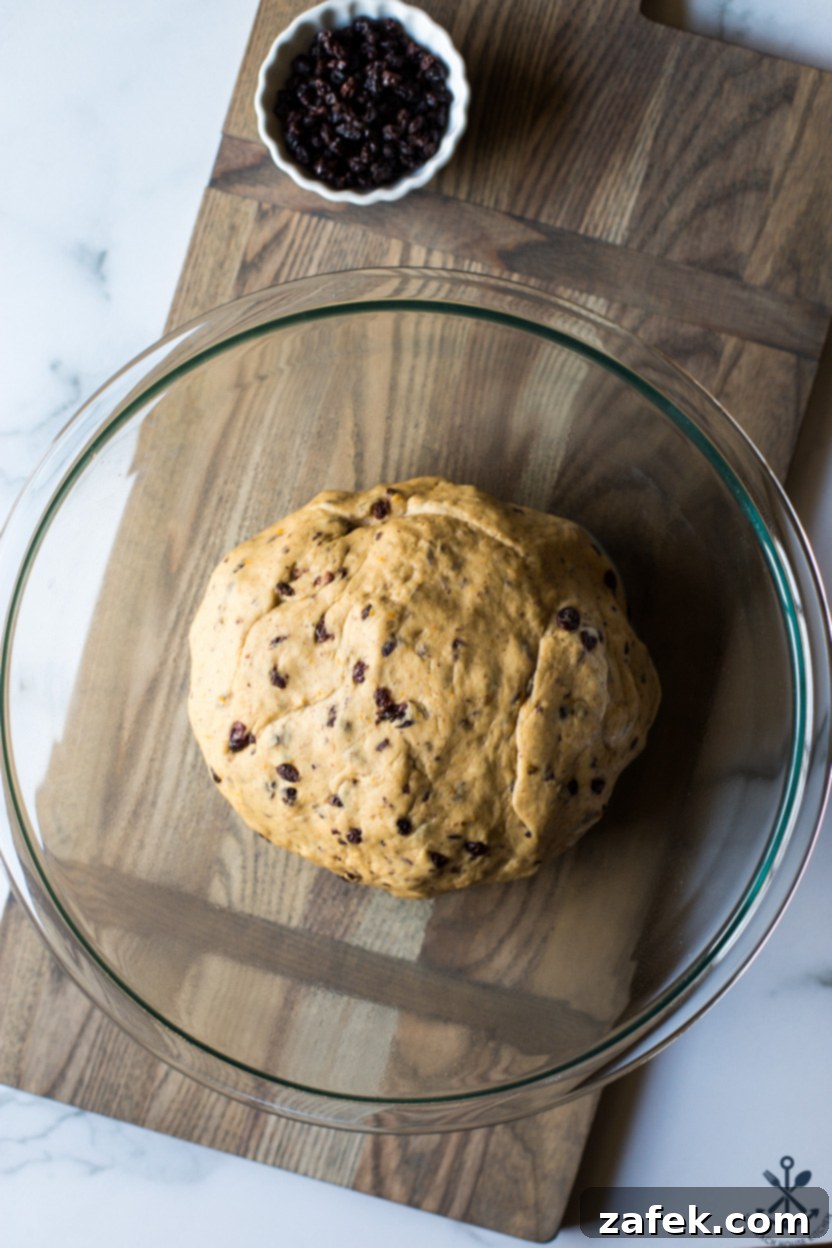
Lightly spray a large clean bowl with nonstick cooking spray. Transfer the dough to this bowl, turning it once to coat it completely. Cover the bowl with a clean cotton tea towel and place it in a warm, draft-free spot. Let the dough rise for approximately 1½ hours, or until it has visibly doubled in size. A warm oven (turned off, with just the pilot light on or briefly warmed and then turned off) can be an ideal spot for rising.
5. Prepare for Baking and Second Rise
While your dough is on its first rise, preheat your oven to 350°F (175°C). Line a large baking sheet with parchment paper and lightly spray the parchment with nonstick cooking spray. Set this aside.
6. Shape the Buns
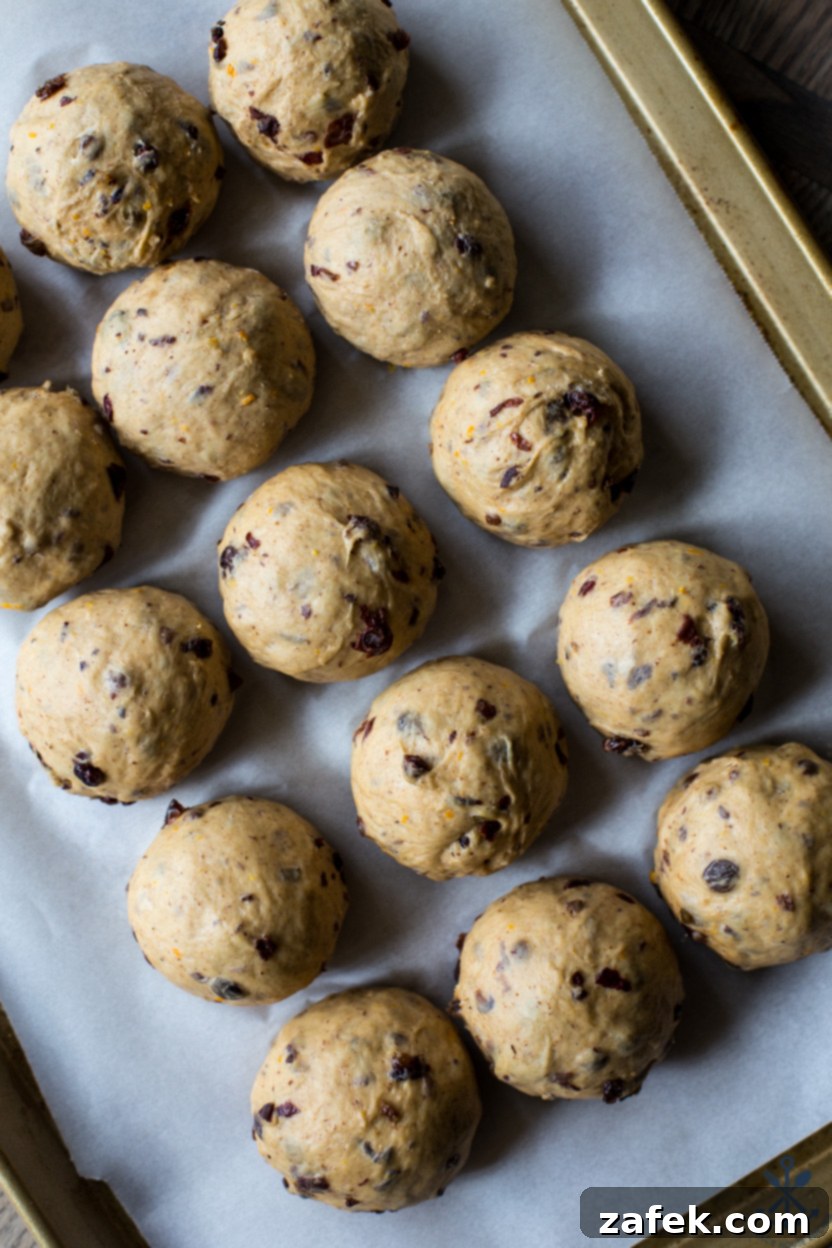
Once the dough has doubled, gently punch it down to release the air. Lightly dust a clean work surface with flour. Turn the dough out onto the floured surface and divide it into 15 equal pieces. The easiest way to do this evenly is to weigh the total dough and divide by 15. For each piece, cup your hand over it and rotate it in a circular motion against the work surface to form a smooth, tight ball. Arrange these dough balls on your prepared baking sheet, leaving some space between each to allow for expansion.
7. Second Rise for Ultimate Fluffiness
Cover the shaped buns with another clean tea towel and let them rise again in a warm place for another 30 minutes. This second proofing is crucial for achieving that incredibly light and fluffy texture in the final baked bun.
8. Create the Iconic Cross Topping
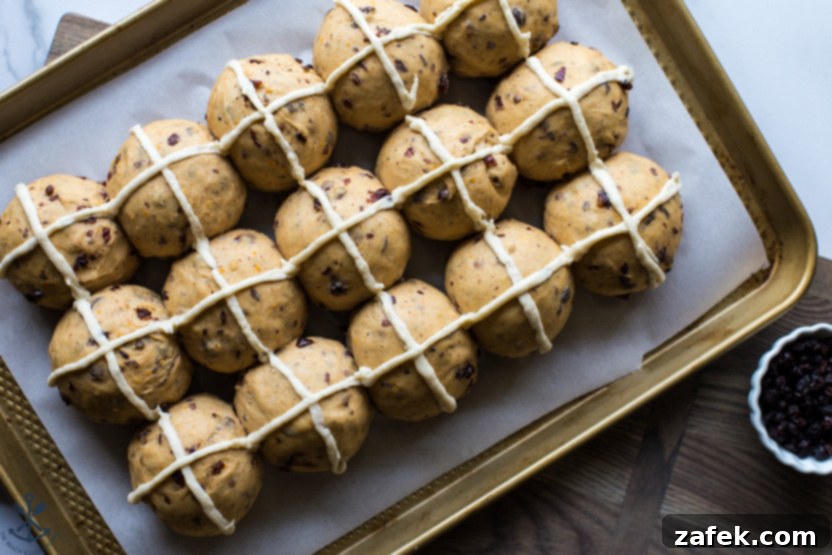
During the second rise, prepare the cross topping. In a small bowl, combine 6 tablespoons of all-purpose flour with 6 tablespoons of hot boiling water. Mix well until you have a smooth, thick paste. Transfer this paste to a small Ziploc bag and snip off one of the bottom corners. Once the buns have completed their second rise, carefully pipe the crosses onto the top of each bun.
9. Bake to Golden Perfection
Place the baking sheet in your preheated oven and bake for 30-35 minutes, or until the buns are beautifully golden brown and sound hollow when tapped on the bottom.
10. Glaze and Serve
While the buns are baking, prepare the glaze. In a small saucepan, combine 3 tablespoons of granulated sugar and 3 tablespoons of water. Bring the mixture to a boil over medium heat, stirring constantly until the sugar is completely dissolved. As soon as the buns come out of the oven, transfer them to a wire rack. While still warm, generously brush the tops of the buns with the sugar glaze. This adds a lovely shine and a touch more sweetness. Serve your magnificent Hot Cross Buns warm or at room temperature, perhaps with a slather of butter or a dollop of jam.
Pro Tips for Hot Cross Bun Perfection
Even seasoned bakers appreciate a few pointers to ensure their creations turn out flawlessly. Here are some cook’s notes and tips for your Hot Cross Buns:
- Yeast Vitality: Always ensure your active dry yeast is fresh. If your yeast mixture doesn’t foam after 5-10 minutes, it’s best to discard it and start with new yeast to avoid wasted effort.
- Milk Temperature: The optimal temperature for warming milk is crucial. Aim for 105-110°F (40-43°C). A kitchen thermometer is your best friend here.
- Room Temperature Ingredients: Ensure your egg and butter (before melting) are at room temperature. This allows them to incorporate more easily into the dough, leading to a smoother, more uniform texture.
- The Cross Topping: The traditional cross is made from a simple mixture of flour and hot boiling water. Piping this mixture onto the buns before baking creates that classic, slightly raised white cross. A small Ziploc bag with a snipped corner works perfectly as a makeshift piping bag.
- Orange Zest Amount: I’ve found that one tablespoon of grated orange peel provides the perfect amount of bright citrus flavor without overpowering the other spices. However, feel free to adjust this to your personal preference – a little more for a bolder orange note, or slightly less for a more subtle hint.
- Don’t Overbake: Keep a close eye on your buns during the last 10-15 minutes of baking. Overbaking can lead to dry buns. They should be golden brown, not dark brown.
- Rising Environment: A warm, draft-free spot is ideal for dough rising. If your kitchen is cool, you can use a turned-off oven with the light on, or place the covered bowl in a larger bowl of warm water.
Serving and Storage Suggestions
Hot Cross Buns are undeniably at their best when served warm, fresh from the oven, and brushed with that glossy glaze. They are traditionally enjoyed plain, or simply split and spread with butter. For an extra treat, try them with a dollop of your favorite jam, marmalade, or even clotted cream – a true indulgence. They make a fantastic addition to a festive brunch spread, a comforting breakfast, or a delightful afternoon snack with a cup of tea or coffee.
To store leftover Hot Cross Buns, place them in an airtight container at room temperature for up to 2-3 days. For longer storage, they freeze beautifully. Once completely cooled, wrap each bun individually in plastic wrap, then place them in a freezer-safe bag or container. They can be frozen for up to 3 months. To reheat, simply thaw them at room temperature and warm them gently in the oven or microwave.
Variations to Explore
While the classic Hot Cross Bun recipe is perfect as is, feel free to experiment and customize them to your liking:
- Different Dried Fruits: If currants aren’t your favorite, you can substitute them with raisins, dried cranberries, chopped apricots, or a mix of candied citrus peel for a different flavor profile.
- Spice Adjustments: Want a warmer spice blend? Add a pinch of ground ginger or cardamom to the dough. For a more subtle spice, reduce the amounts slightly.
- Glaze Options: Instead of a simple sugar glaze, you could make a citrus glaze using powdered sugar and a touch of orange juice for an extra tangy finish. Some prefer a simple milk wash before baking for a softer crust, or a honey glaze for a richer flavor.
- Chocolate Chips: For a modern twist, add a handful of mini chocolate chips along with the dried fruit for a decadent treat that kids and adults alike will adore.
Baking these Hot Cross Buns from scratch is a deeply satisfying experience, filling your home with an aroma that is truly unforgettable. It’s an opportunity to connect with tradition, share a delicious treat with loved ones, and perhaps even conquer your own baking fears. So gather your ingredients, set aside some time, and get ready to enjoy the ultimate homemade Hot Cross Buns.
Hot Cross Buns Recipe
A staple during the season of Lent, these Hot Cross Buns are light and fluffy and the perfect side to your morning tea or coffee.
Author: MaryAnn Dwyer
Servings: 15 buns
Prep Time: 30 mins
Cook Time: 35 mins
Rising Time: 2 hrs
Total Time: 3 hrs 5 mins
Ingredients
Main Buns
- 2 cups dried currants
- 1 Tbsp. active dry yeast
- ½ cup plus 1 tsp. granulated sugar
- 1½ cups warm whole milk, 105-110 degrees F
- 4¼ cups all-purpose flour, sifted
- 1½ tsp. ground cinnamon
- ¼ tsp. ground cloves
- ¼ tsp. nutmeg
- 6 Tbsp. unsalted butter, melted
- 1 large egg, room temperature
- 1 Tbsp. grated orange zest
Cross Topping
- 6 Tbsp. all-purpose flour
- 6 Tbsp. hot boiling water
Glaze
- 3 Tbsp. granulated sugar
- 3 Tbsp. water
Instructions
- Place the dried currants in a medium bowl. Cover with hot water and let soak for 15 minutes. Drain thoroughly and let stand.
- In the bowl of a stand mixer fitted with a dough hook, add the yeast, 1 teaspoon granulated sugar, and all the warm milk. Let stand for 5 minutes until foamy.
- Add the flour, cinnamon, cloves, nutmeg, and the remaining ½ cup granulated sugar. Mix on low speed for 1 minute. Add the melted butter, room temperature egg, orange zest, and drained currants and continue to mix on low speed for 2 minutes. Increase speed to medium and continue to mix for 5 minutes.
- Transfer the dough to a large bowl, sprayed with nonstick cooking spray, turning to coat. Cover with a cotton tea towel and let rise in a warm place for 1½ hours or until doubled in size.
- Preheat oven to 350 degrees F (175 degrees C). Line a large baking sheet with parchment paper. Spray the parchment with nonstick cooking spray. Set aside.
- Lightly dust a work surface with flour. Dump the dough onto the work surface and divide into 15 equal pieces. Rotate each piece of dough in a circular motion, cupping your hand over it, to make into a smooth ball. Place the balls on the prepared sheet, leaving space between them. Cover the buns with a tea towel and again, let rise for 30 minutes in a warm place.
- While the buns are rising for the second time, combine the cross topping ingredients (flour and hot boiling water) in a small bowl and mix well until a smooth paste forms. Add mixture to a small Ziploc bag and snip off one of the bottom corners. When the buns have finished their second rise, pipe crosses on the top of each bun.
- Bake for 30-35 minutes, until lightly browned and cooked through.
- While buns are baking, combine the glaze ingredients (sugar and water) in a small saucepan. Bring to a boil, stirring constantly until sugar is dissolved.
- When buns are done baking, remove them to a wire rack. Brush the tops of the warm buns generously with the prepared glaze. Serve buns warm or at room temperature.
Notes
- The traditional cross on top of the buns is made from a simple paste of flour and hot boiling water.
- A small Ziploc bag with one of the corners snipped off makes an excellent piping bag for the cross mixture.
- One tablespoon of grated orange peel typically provides the perfect amount of orange flavor. Adjust more or less according to your preference.
Nutrition
Calories: 310kcal | Carbohydrates: 57g | Protein: 6g | Fat: 6g | Saturated Fat: 3g | Cholesterol: 29mg | Sodium: 20mg | Potassium: 262mg | Fiber: 3g | Sugar: 23g | Vitamin A: 225IU | Vitamin C: 2.2mg | Calcium: 60mg | Iron: 2.7mg
Keyword: Bread
Cuisine: American
Course: Breakfast
Explore More Delicious Bread Recipes to Enjoy
Soft Everything Dinner Rolls
Holiday Brioche Rolls
Bubble-Top Brioche Rolls
Before your first bite, snap a photo and share!
If you make this recipe, I’d love to see! Be sure to follow thebeachhousekitchen on Instagram and tag Mention @thebeachhousekitchen or tag #thebeachhousekitchen!