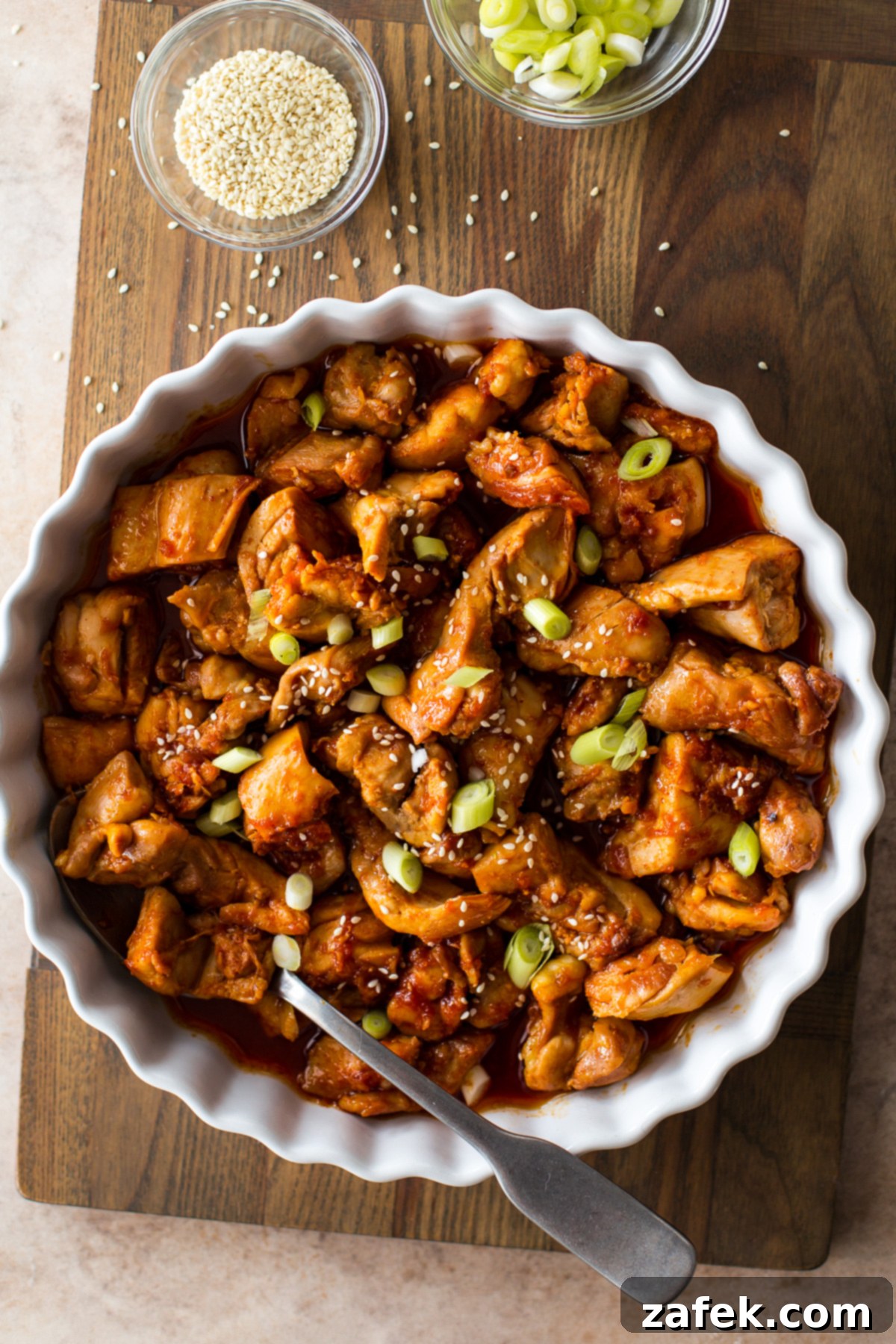
Looking for an incredibly flavorful, effortlessly easy, and universally loved meal that ticks all the boxes for a perfect weeknight dinner or reliable meal prep solution? You’ve found it! This Stir-Fried Gochujang Chicken is a culinary triumph, blending sweet and spicy notes with tender chicken in under 30 minutes. Get ready to add a new family favorite to your rotation.
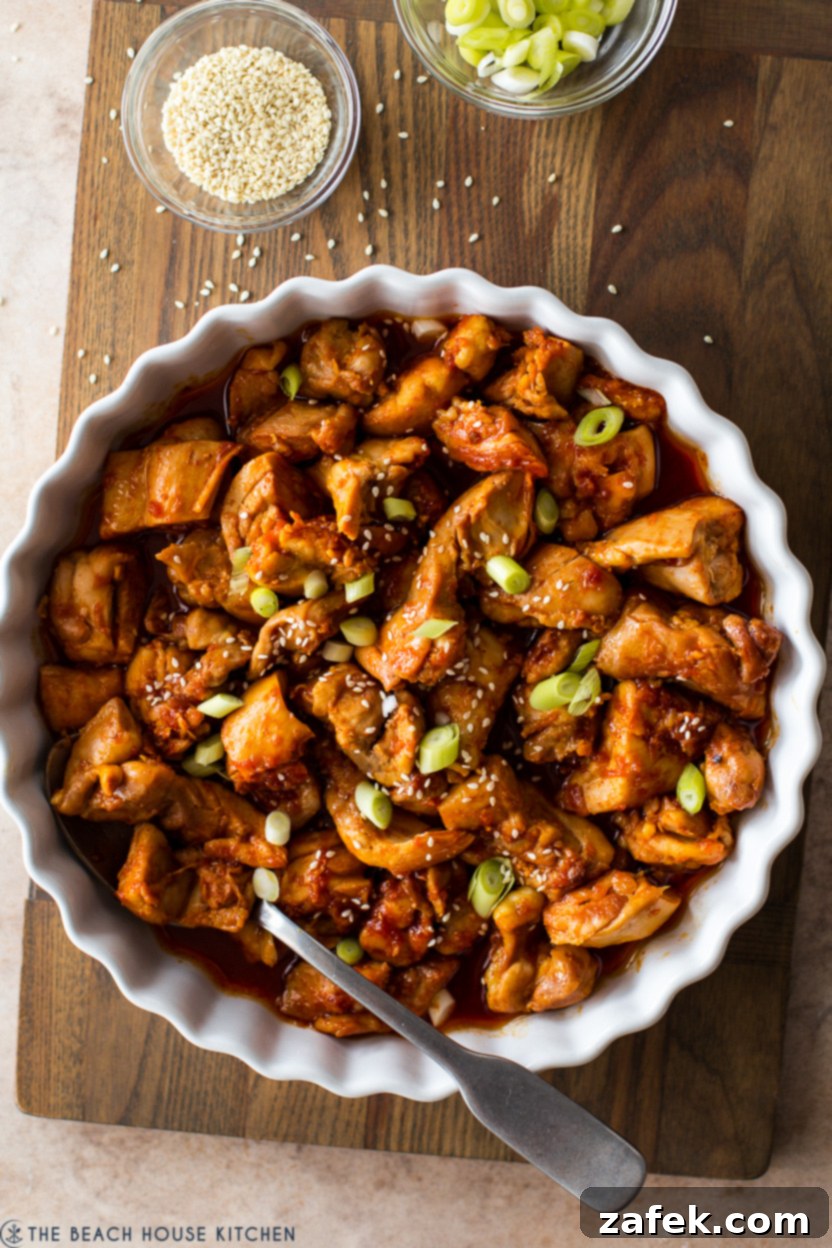
Stir-Fried Gochujang Chicken: Your New Favorite Spicy & Sweet Weeknight Meal
Today, we embark on a delicious journey to elevate your quick chicken dinner with the vibrant, complex flavors of Gochujang. This sweet and spicy Korean chili paste forms the heart of a delectable sauce that transforms simple chicken thighs into an unforgettable stir-fry. Whether you’re a seasoned chef or a busy home cook, this recipe promises ease, speed, and an explosion of taste that will have everyone asking for seconds.
Originally inspired by the genius of Christopher Kimball’s Milk Street Simple cookbook, this Stir-Fried Gochujang Chicken has become a cherished staple in my kitchen. It’s the kind of dish you turn to when time is short, but the craving for something truly special is strong. Its balance of robust ginger, aromatic garlic, savory soy sauce, and a touch of sweetness against the heat of gochujang creates a symphony of flavors that truly surprises with how few ingredients are required.
Why This Stir-Fried Gochujang Chicken Will Become Your Go-To Recipe
Beyond its incredible taste, there are numerous reasons why this Gochujang Chicken Stir-Fry stands out as a must-try dish for any home cook.
Effortless & Quick: Ready in Under 30 Minutes
In our fast-paced lives, finding a recipe that delivers maximum flavor in minimal time is a true gem. This stir-fry is designed for efficiency. With just a handful of ingredients and a simple cooking process, you can have a gourmet-tasting meal on the table in less than half an hour. It’s perfect for busy weeknights when you need a satisfying dinner without the fuss.
Irresistible Sweet and Spicy Gochujang Flavor
The magic truly happens with the sauce. A harmonious blend of just five key ingredients creates a sticky, glossy glaze that coats every piece of chicken. Gochujang brings its signature fermented chili heat and umami depth, perfectly balanced by the salty notes of soy sauce, the bright warmth of ginger and garlic, and a hint of sweetness from sugar. This creates a deeply satisfying profile that is both comforting and exciting.
Tender, Juicy Chicken Every Time
The secret to consistently tender and succulent chicken lies in our choice of cut: boneless, skinless chicken thighs. Unlike chicken breasts, thighs are naturally more forgiving and less prone to drying out, especially under high-heat stir-frying. When cooked correctly, they maintain their juiciness and absorb the rich gochujang sauce beautifully, ensuring a delightful bite with every forkful.
Perfect for Meal Prep & Leftovers
If you’re into meal prepping, this recipe is your new best friend. It holds up exceptionally well, and some would argue it tastes even better the next day as the flavors continue to meld. Prepare a larger batch at the beginning of the week, and you’ll have delicious, wholesome meals ready to go for lunches or quick dinners, saving you time and effort.
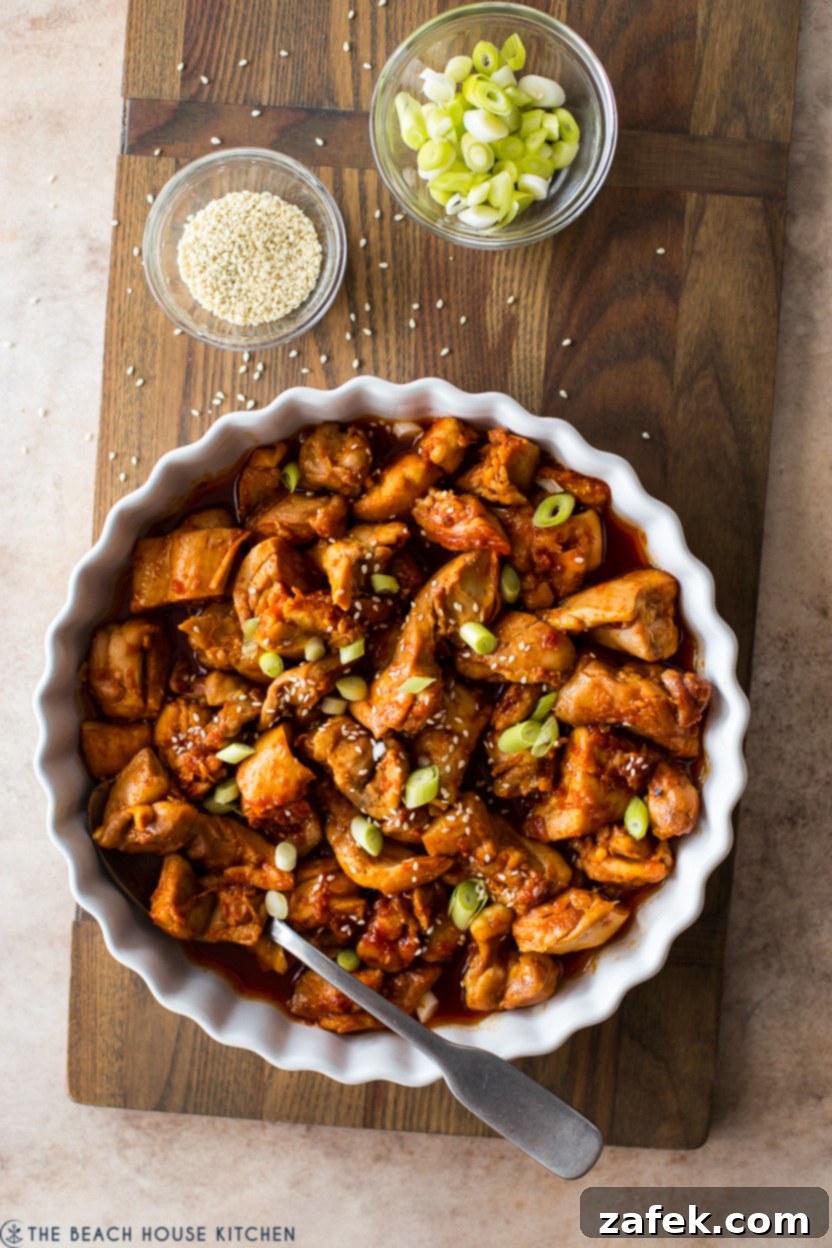
What is Gochujang? The Heart of Korean Flavor
Gochujang, often referred to as Korean red chili paste, is a staple in Korean cuisine and a foundational ingredient for countless dishes. Understanding this vibrant condiment is key to appreciating the depth of flavor it brings to our stir-fry.
Understanding Gochujang: A Korean Culinary Essential
Gochujang is a savory, sweet, and spicy fermented condiment made from gochugaru (Korean chili powder), glutinous rice, meju (fermented soybean powder), yeotgireum (barley malt powder), and salt. It undergoes a traditional fermentation process, often in large earthenware pots called onggi, which contributes to its unique depth of flavor and umami richness. This thick, concentrated paste isn’t just about heat; it offers a complex interplay of sweet, savory, and subtly tangy notes.
Flavor Profile and Versatility
While spicy, gochujang’s heat is often mellowed by its inherent sweetness and savory undertones, making it a well-rounded flavor enhancer rather than just a heat source. It imparts a beautiful reddish hue to dishes and a distinct, deep flavor that is hard to replicate. You’ll find it in popular Korean dishes like bibimbap, tteokbokki (spicy rice cakes), bulgogi marinades, and various stews and dipping sauces.
Where to Find Gochujang
Gochujang is increasingly accessible in most grocery stores. Look for it in the international aisle, specifically the Asian food section. It’s typically sold in red plastic tubs or jars. If you can’t find it locally, it’s readily available online through retailers like Amazon. When purchasing, opt for a reputable Korean brand for authentic flavor. There are various spice levels available, so choose one that suits your preference.
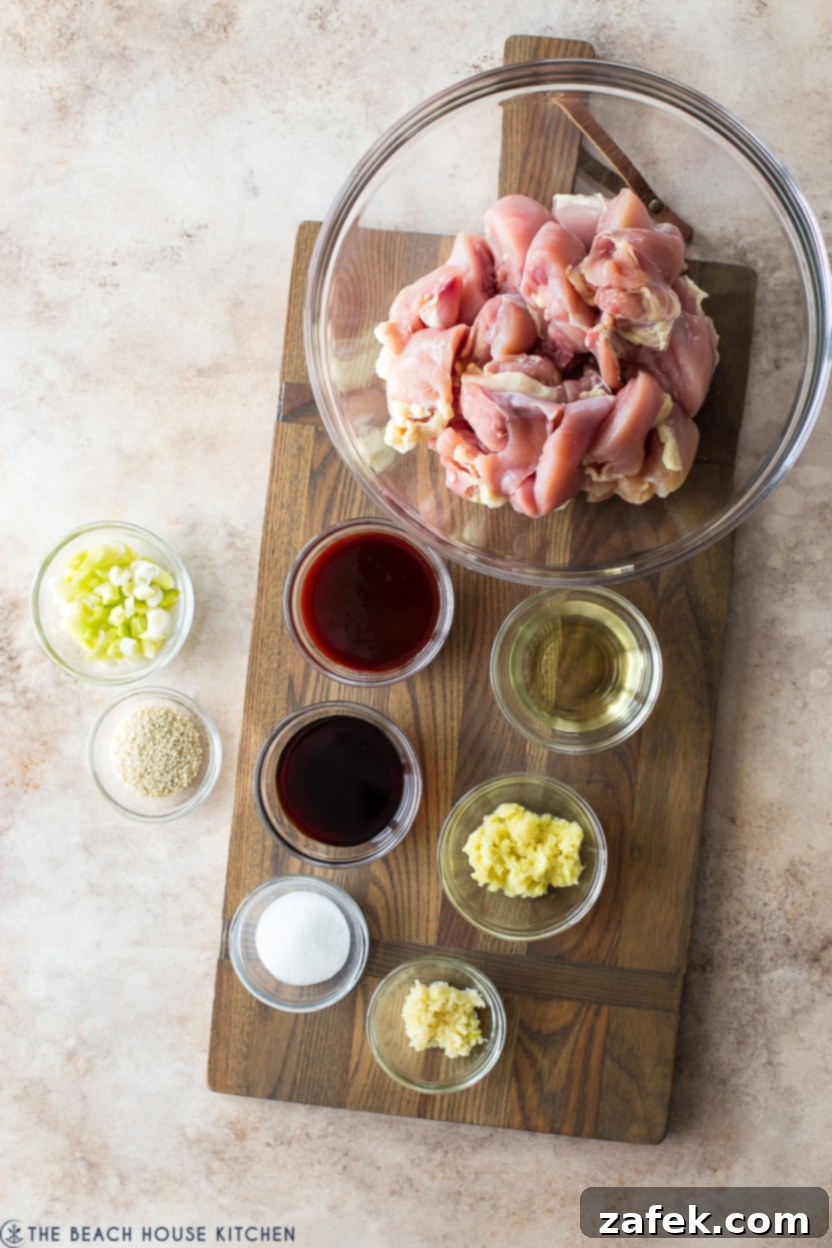
Essential Ingredients for Your Gochujang Chicken Stir-Fry
This recipe shines with a short and sweet ingredient list, proving that simple doesn’t mean sacrificing flavor. Here’s what you’ll need, along with some helpful tips:
- Gochujang: The star of the show! Use a good quality Korean brand for the best flavor. Its thick consistency is perfect for creating a rich glaze.
- Low-Sodium Soy Sauce: We opt for low-sodium to control the saltiness of the dish, allowing us to build flavor without over-seasoning.
- Granulated Sugar: A crucial component to balance the heat of the gochujang and provide that appealing sweet counterpoint.
- Olive Oil: Or any neutral oil with a high smoke point, such as grapeseed, avocado, or vegetable oil, suitable for stir-frying at medium-high heat.
- Boneless, Skinless Chicken Thighs: As mentioned, thighs are ideal for their moisture and flavor. Trim any excess fat and cut them into even, bite-sized pieces for uniform cooking. Cutting them crosswise into thirds usually works well.
- Fresh Garlic Cloves: Minced finely, garlic adds a pungent, aromatic base to our stir-fry. Fresh is always best for maximum flavor.
- Fresh Ginger: Finely chopped ginger provides a zesty, warm spice that pairs beautifully with garlic and cuts through the richness of the sauce. Peel it before chopping for the best texture.
Ingredient Spotlight: Chicken Thighs vs. Breasts
While you *can* use boneless, skinless chicken breasts for this recipe, chicken thighs are highly recommended. Thighs have a higher fat content, which keeps them incredibly tender and juicy even when stir-fried quickly over high heat. They also have a richer flavor. If using breasts, be mindful not to overcook them, as they can dry out more easily. Cut them into similar-sized pieces to the thighs for even cooking.
Crafting the Perfect Gochujang Sauce
The beauty of this sauce is its simplicity. It’s a minimal effort, maximum flavor concoction. By whisking together just gochujang, soy sauce, and sugar, you create a robust base that coats the chicken beautifully and provides that signature sweet and spicy Korean kick. Don’t be tempted to add too many other ingredients; the magic is in the balance of these core components.
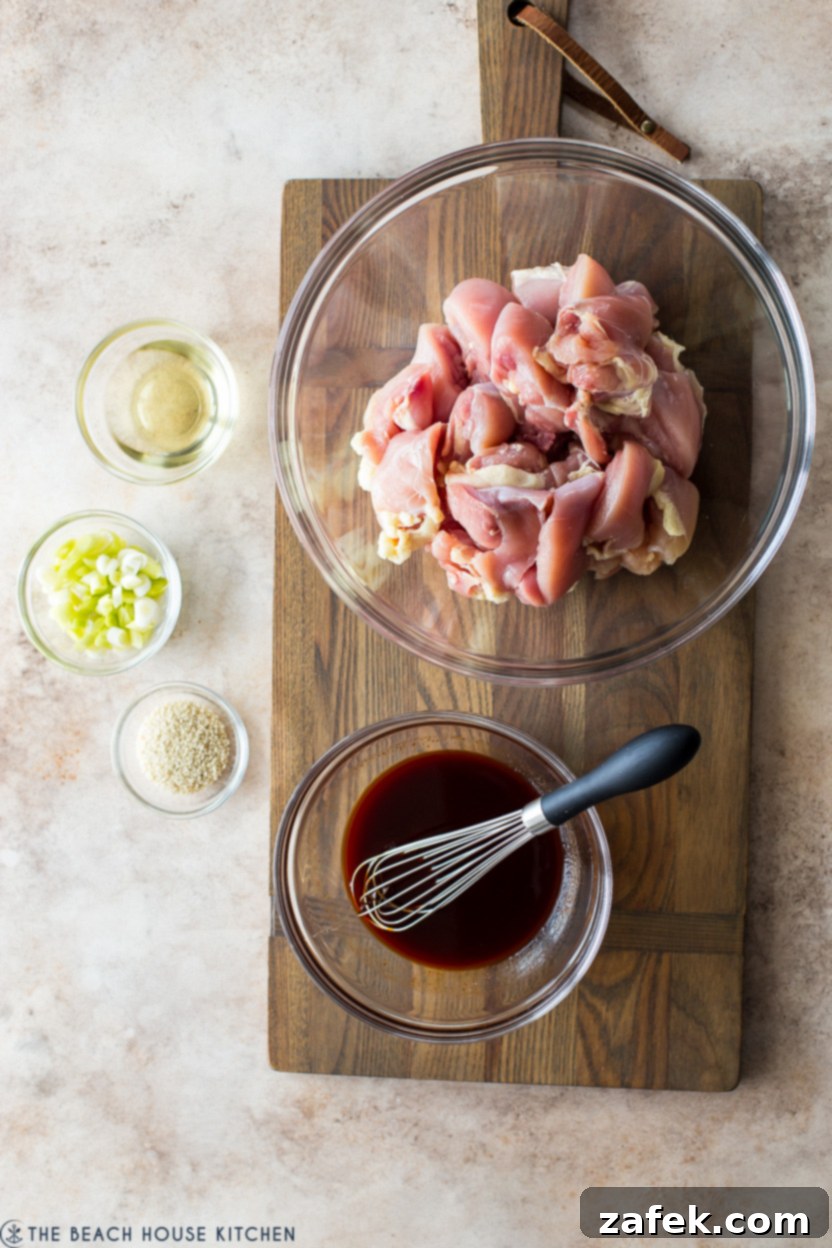
Step-by-Step Guide: How to Make Stir-Fried Gochujang Chicken
Follow these simple steps for a truly delicious and satisfying meal:
1. Preparing Your Flavorful Gochujang Sauce
In a small bowl, combine the gochujang, low-sodium soy sauce, and granulated sugar. Whisk these ingredients together until they are thoroughly combined and the sugar has dissolved. Set this vibrant sauce aside. This step can even be done in advance to save time.
2. Achieving the Perfect Sear on Your Chicken
Heat your olive oil (or chosen high-heat oil) in a 12-inch skillet over medium-high heat until it shimmers. Add your trimmed and cut chicken thighs to the hot skillet in a single, even layer. It’s crucial not to overcrowd the pan; cook in batches if necessary to ensure a proper sear rather than steaming. Let the chicken cook undisturbed for about five minutes until a deep golden-brown crust forms on the bottom. This initial browning is essential for flavor and texture. Once browned, reduce the heat slightly, flip the chicken pieces, and continue to cook for another 4 minutes on the other side, again without stirring, until that side is also nicely browned. The chicken may not be fully cooked through at this point, but we’ll finish it in the sauce.
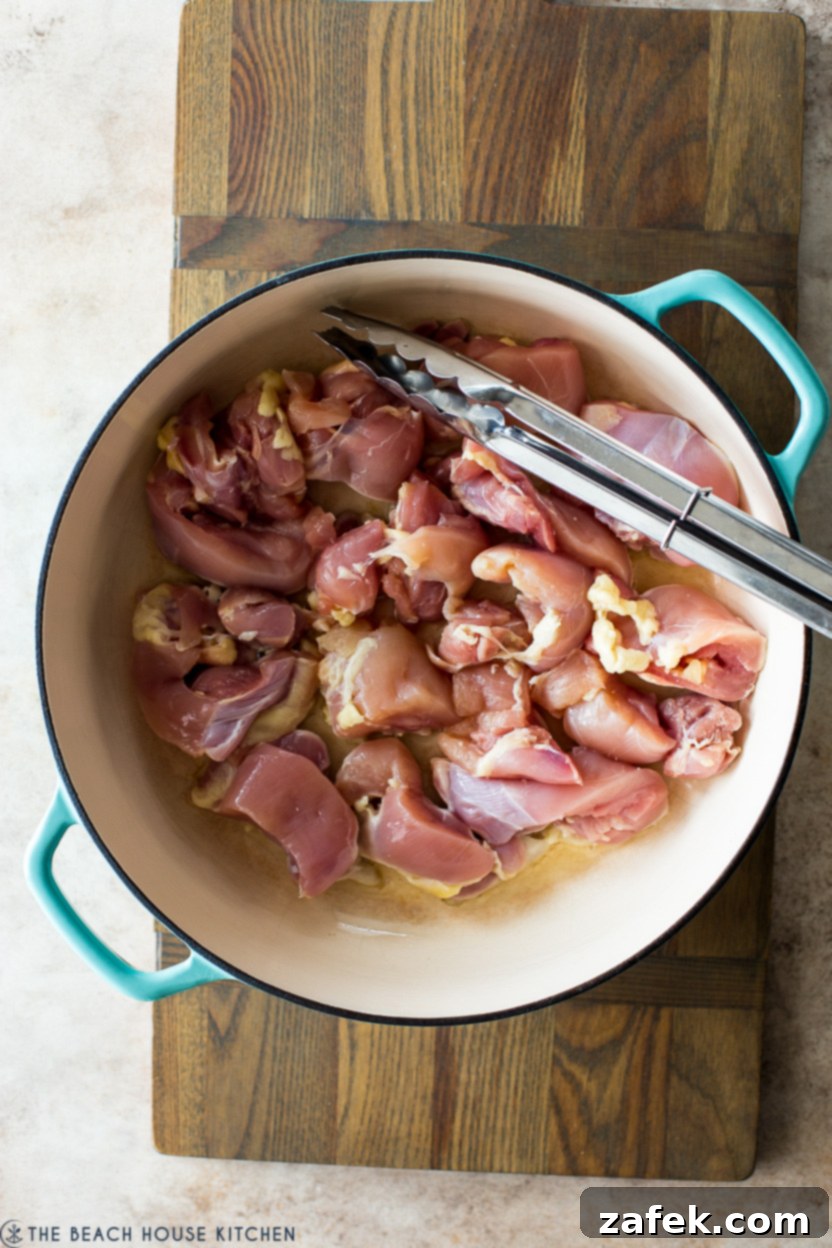
Expert Tip: Allowing the chicken to cook undisturbed for those initial minutes is key to developing a delicious crust, which adds a significant depth of flavor and texture to your stir-fry. Resist the urge to poke or move it!
3. Infusing Aromatics: Garlic and Ginger
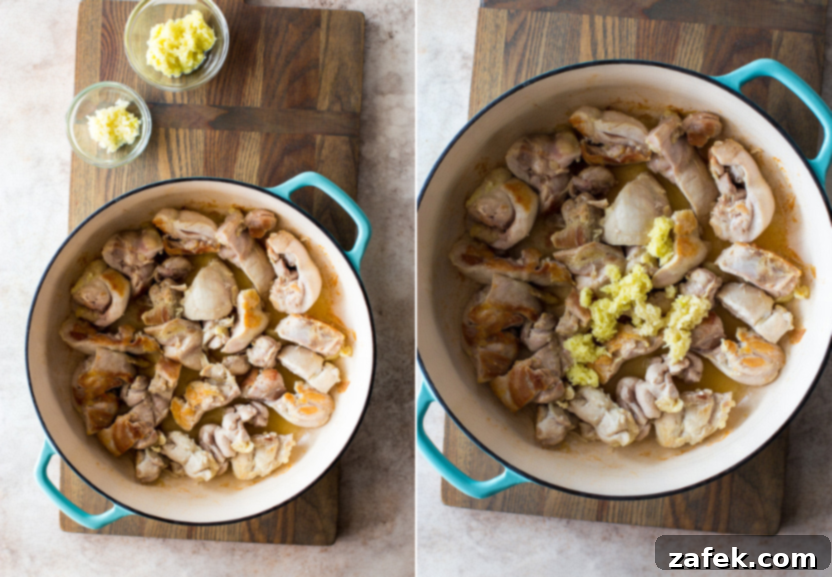
Once both sides of the chicken are browned, add your minced garlic and finely chopped fresh ginger to the skillet. Stir these aromatics in with the chicken and cook for just about 30 seconds. The goal is to let their fragrance bloom, but be careful not to burn the garlic, as it can turn bitter very quickly.
4. Bringing It All Together: The Gochujang Glaze
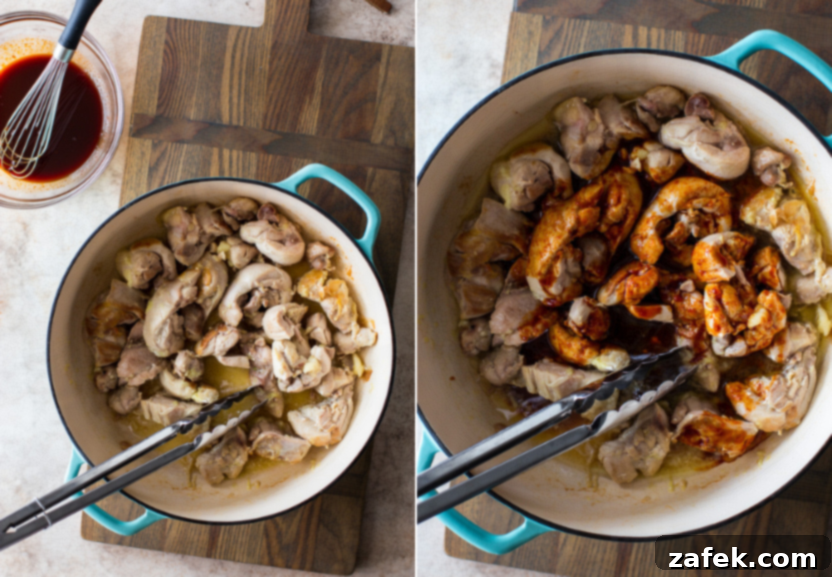
Now, pour your prepared gochujang sauce directly over the chicken and aromatics in the skillet. Immediately begin to stir and toss the chicken, scraping up any delicious browned bits from the bottom of the pan – these are packed with flavor! Continue to cook, turning the chicken occasionally, until the sauce thickens and beautifully coats each piece of chicken, creating a luscious, glossy glaze. The chicken should be fully cooked through, reaching an internal temperature of 165 degrees F (74 degrees C).
5. Serving Suggestions and Garnishes
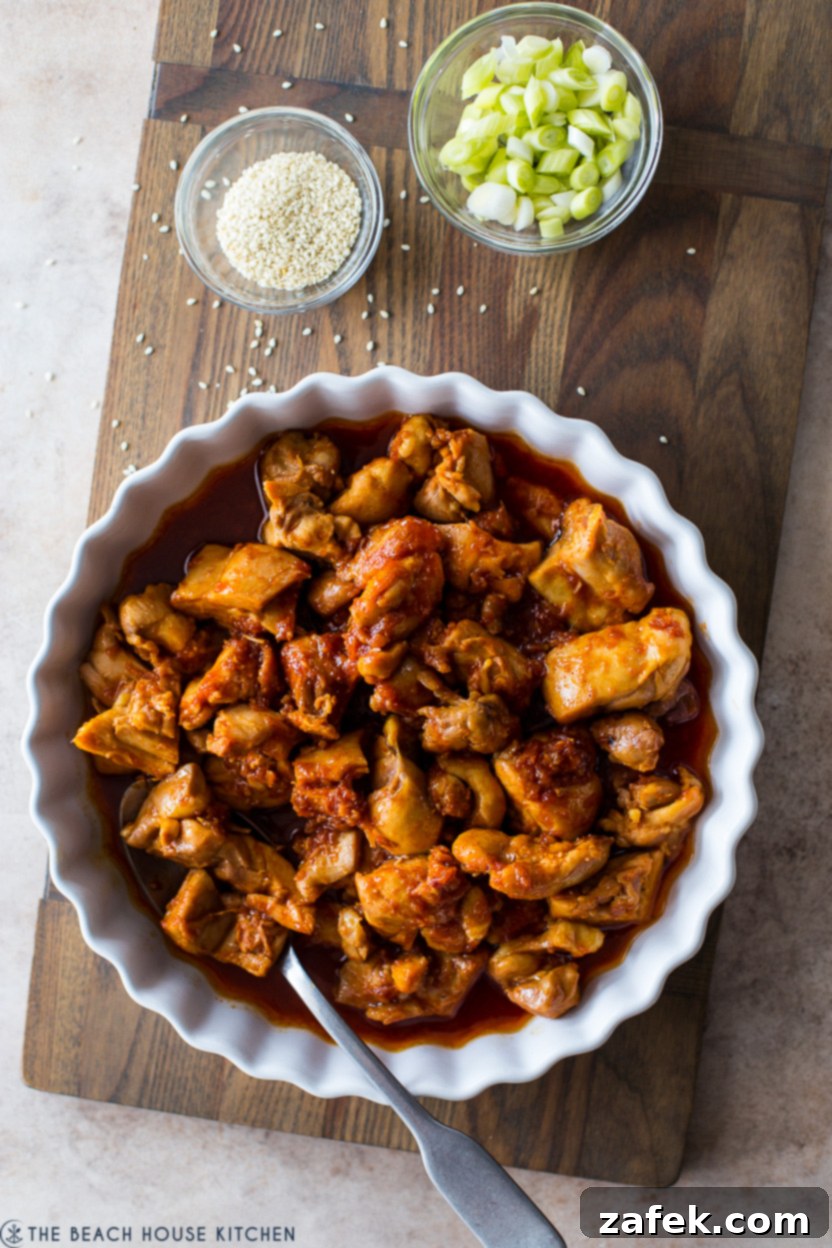
Once the chicken is perfectly glazed, transfer it to a serving dish. For a burst of freshness and a touch of elegance, garnish generously with sliced scallions (green onions) and a sprinkle of sesame seeds. Both add a delightful texture and visual appeal.
Tips for Success & Recipe Variations
Make this Stir-Fried Gochujang Chicken truly your own with these handy tips and ideas:
Cook’s Notes for Optimal Results
- Don’t Overcrowd the Pan: This is a crucial rule for stir-frying. Overcrowding lowers the pan’s temperature, leading to steamed chicken instead of beautifully browned and seared pieces. Work in batches if necessary.
- Internal Temperature: Always ensure your chicken reaches an internal temperature of 165°F (74°C) using a meat thermometer for food safety.
- Adjusting Spice Level: Gochujang comes in varying levels of heat. If you prefer a milder dish, use less gochujang. For more heat, you can add a pinch of gochugaru (Korean chili flakes) or a touch more gochujang.
- Meal Prep Perfection: This dish is fantastic for meal prep. Portion it into airtight containers with rice for easy grab-and-go lunches or dinners throughout the week. It reheats beautifully in the microwave or on the stovetop.
Serving Suggestions to Complete Your Meal
While delicious on its own, this Gochujang Chicken truly shines when paired with complementary sides:
- Steamed White Rice: The classic choice! The neutral flavor and fluffy texture of white rice perfectly absorb the rich gochujang sauce. Brown rice or quinoa are also great healthy alternatives.
- Kimchi: For an authentic Korean experience, serve alongside a generous helping of fermented kimchi. Its tangy, spicy, and probiotic goodness complements the chicken wonderfully.
- Steamed Vegetables: Broccoli, snap peas, bell peppers, or bok choy can be quickly steamed or stir-fried and served alongside for added nutrition and crunch.
- Lettuce Wraps: For a lighter, fresher option, serve the chicken in crisp lettuce cups, perhaps with some shredded carrots or cucumber.
Customizing Your Stir-Fry: Additions & Substitutions
Feel free to experiment and make this recipe your own!
- Add Vegetables: While keeping the original recipe simple for speed, you can easily toss in sliced onions, bell peppers, broccoli florets, or mushrooms during the last few minutes of cooking with the chicken.
- Protein Swap: While chicken thighs are highly recommended, you could try this sauce with thinly sliced pork tenderloin or even firm tofu for a vegetarian option. Adjust cooking times accordingly.
- Nutty Crunch: A sprinkle of chopped peanuts or cashews can add a delightful crunch and extra flavor dimension.
Frequently Asked Questions (FAQs)
Here are answers to some common questions about making Stir-Fried Gochujang Chicken:
Can I use chicken breasts instead of thighs?
Yes, you can, but chicken thighs are recommended for their superior moisture and flavor when stir-frying. If using breasts, cut them into 1-inch pieces and be careful not to overcook them to prevent dryness. Cook until just opaque throughout.
How spicy is gochujang chicken?
The spice level can vary based on the brand of gochujang you use and your personal tolerance. Gochujang provides a moderate, pleasant heat that is balanced by sweetness and savory notes. You can always adjust the amount of gochujang to suit your preference, using less for a milder taste or a bit more for extra kick.
How long does gochujang chicken last in the fridge?
Properly stored in an airtight container, Stir-Fried Gochujang Chicken will last for 3-4 days in the refrigerator. It makes excellent leftovers!
What are common side dishes for Korean chicken?
Steamed white rice is the most popular accompaniment, as it soaks up the delicious sauce. Other great options include a simple green salad, steamed or stir-fried vegetables (like broccoli, spinach, or bok choy), or a side of kimchi for an authentic Korean flair.
Full Recipe: Stir-Fried Gochujang Chicken
This recipe for Stir-Fried Gochujang Chicken is a crowd-pleaser that’s incredibly simple to make and bursts with flavor. Perfect for family dinners or meal prepping.
Recipe Details
- Author: MaryAnn Dwyer
- Servings: 4 servings
- Total Time: 30 minutes
Ingredients
- 1/4 cup gochujang
- 3 Tbsp. low-sodium soy sauce
- 1 Tbsp. granulated sugar
- 3 Tbsp. olive oil
- 1 1/2 lbs. boneless, skinless chicken thighs, trimmed and cut crosswise into thirds
- 3 medium garlic cloves, minced
- 3 Tbsp. fresh ginger, finely chopped
Instructions
- Whisk together gochujang, soy sauce, and sugar in a small bowl and set aside.
- In a 12-inch skillet, heat the oil over medium-high heat. Add the chicken in an even layer and cook for 5 minutes without stirring until browned on the bottom. Flip the chicken and continue to cook on the other side without stirring for 4 minutes.
- Add the garlic and ginger and cook, stirring for 30 seconds. Pour the gochujang mixture over the chicken and cook, scraping up any browned bits and turning the chicken occasionally until the sauce has thickened and begins to coat the chicken. The chicken should no longer be pink inside and should have an internal temperature of 165 degrees F (74°C).
- Garnish your chicken with sliced scallions and/or sesame seeds and serve immediately with steamed white rice.
Notes
- I love to serve my chicken with steamed white rice.
- You can find gochujang in the international aisle of your food store or on Amazon.
- The final internal temperature of your chicken thighs should be 165 degrees F (74°C).
Nutrition (per serving)
Calories: 351kcal | Carbohydrates: 12g | Protein: 35g | Fat: 18g | Saturated Fat: 3g | Polyunsaturated Fat: 3g | Monounsaturated Fat: 11g | Trans Fat: 0.03g | Cholesterol: 162mg | Sodium: 556mg | Potassium: 574mg | Fiber: 0.4g | Sugar: 5g | Vitamin A: 75IU | Vitamin C: 4mg | Calcium: 28mg | Iron: 2mg
More Delicious Chicken Recipes to Explore
If you loved this Gochujang Chicken, be sure to check out these other fantastic chicken recipes:
- Marry Me Chicken Meatballs
- King Ranch Chicken Casserole
- Chicken Vindaloo
Share Your Culinary Creations!
We absolutely love seeing your kitchen adventures! If you whip up this incredible Stir-Fried Gochujang Chicken, don’t forget to snap a photo and share it with us. Be sure to follow and tag @thebeachhousekitchen on Instagram or use the hashtag #thebeachhousekitchen. Your culinary inspiration might just be featured!
Recipe adapted from Milk Street Simple by Christopher Kimball.