
Crispy, light Asparagus Tempura with a zesty Horseradish Cream Sauce is a delightful culinary creation that’s surprisingly easy to master at home, making it perfect for impressing guests or simply treating yourself. This vibrant appetizer, marrying delicate textures with bold flavors, promises a gourmet experience without the fuss.

Hello friends and a very Happy Meatless Monday to you!
As we transition into a new week, perhaps after a long, indulgent holiday weekend, I’m thrilled to share one of my all-time favorite recipes: Asparagus Tempura with Horseradish Cream Sauce. This dish isn’t just a meal; it’s an experience, offering a perfect balance of light crispiness and a satisfying flavor kick that will awaken your palate. It’s an ideal choice for a lighter, yet utterly satisfying, start to your week.

The Irresistible Allure of Tempura: More Than Just Fried Food
I confess, I have an unwavering love for anything tempura-style. Whether it’s a medley of fresh vegetables, succulent shrimp, flaky fish, or tender chicken, everything seems to transform into a culinary marvel when cloaked in that signature airy batter. Tempura is a traditional Japanese dish where seafood or vegetables are lightly battered and deep-fried. The magic lies in the batter’s ethereal lightness, which, when cooked correctly, results in a delicate, almost glass-like crunch rather than a heavy, oily coating. This technique allows the natural flavors of the ingredients to shine through, elevated by the satisfying textural contrast.
Now, I know what many of you might be thinking: deep-fried food often conjures images of overly greasy and fattening indulgences. And while, yes, simply eating a raw stalk of asparagus is undeniably the healthier option, tempura, when prepared with precision and care, defies these stereotypes. The key to truly excellent tempura is not just about the ingredients, but the technique. When done right, it’s a light, crisp, and wonderfully satisfying treat that you don’t have to feel guilty about enjoying occasionally.
Mastering the Art of Crispy Tempura: The Secret is in the Oil Temperature
The most critical element in achieving perfect tempura, or indeed any deep-fried food, is maintaining the correct oil temperature. This is where a reliable deep-fry thermometer becomes your best friend in the kitchen. Without it, you’re essentially guessing, and guessing in deep frying can lead to less-than-stellar results.
If your oil is too hot, the exterior of your tempura will quickly burn and become overly dark before the inside has a chance to cook through. This results in a raw interior and an unappetizingly scorched crust. Conversely, if the oil temperature is too low, the food will take much longer to crisp up. During this prolonged cooking time, the batter will absorb excessive amounts of oil, leading to a heavy, greasy, and unpleasantly soggy product – precisely what we want to avoid with a light and crispy tempura.

Investing in a good deep-fry thermometer is a game-changer. These essential kitchen tools are generally inexpensive, yet they pay for themselves many times over by ensuring consistently perfect results every time you fry. Take it from me, a precise temperature reading makes all the difference between good and great deep-fried dishes, transforming you into an ace at this culinary technique.
The Perfect Companion: Zesty Horseradish Cream Sauce

To elevate today’s asparagus tempura from a delicious dish to an extraordinary one, I’m pairing it with a homemade, tangy horseradish cream sauce. This sauce isn’t just any condiment; it’s carefully crafted to offer a delightful bit of a kick that perfectly complements the delicate crispiness of the asparagus stalks. Its creamy texture and piquant flavor cut through the richness of the fried batter, creating a harmonious balance that will leave you wanting more.
The beauty of this horseradish cream sauce lies in its versatility. While it’s an absolute dream with asparagus tempura, its vibrant flavor profile makes it an excellent dipping sauce for a wide array of appetizers. Think about serving it with fresh crudités, crispy potato chips, roasted vegetables, or even alongside grilled meats or seafood for an added zing. It’s incredibly easy to prepare and can be made in advance, allowing the flavors to meld and deepen, which is perfect for entertaining.
Exploring Variations: Tempura Beyond Asparagus
While asparagus is a fantastic choice for tempura, offering a tender bite and subtle sweetness, don’t feel limited. If asparagus isn’t in season, or simply not your preference, this versatile tempura batter works beautifully with a host of other vegetables. Consider trying it with earthy mushrooms, crisp green beans, or florets of broccoli for equally delicious results. The light, airy quality of the batter makes it suitable for almost any firm vegetable, providing a wonderful new way to enjoy your favorites. You’ll be amazed at how incredibly light the tempura batter is, and I’m confident that you’ll fall in love with the bold flavor of the horseradish cream sauce, no matter what you pair it with. Enjoy the process of creating these culinary delights!

Essential Cook’s Notes & Expert Tips for Asparagus Tempura with Horseradish Cream Sauce:
- Draining Excess Oil: After frying, it’s crucial to properly drain your tempura to maintain its crispiness and prevent it from becoming greasy. I always recommend placing the freshly fried asparagus stalks on a wire rack positioned over a baking sheet. This setup allows any excess oil to drip away efficiently, ensuring each piece remains wonderfully light and crispy. Avoid placing them directly on paper towels, as this can trap steam and make the tempura soggy.
- Batch Size: This recipe’s tempura batter yields enough to generously coat approximately 18-20 medium-sized asparagus stalks. If you plan on serving a larger crowd or wish to experiment with other vegetables, you can easily double the batter recipe.
- Customizing the Horseradish Kick: The suggested 1/4 cup of prepared hot horseradish provides a noticeable, yet balanced, kick to the cream sauce. If you prefer a milder flavor, start with a smaller amount, perhaps 2 tablespoons, and gradually add more to taste. For those who love an extra fiery punch, feel free to increase the horseradish slightly. Remember that the spice level can vary between brands of prepared horseradish, so adjust accordingly.
- Leftover Sauce Storage: Any surplus horseradish cream sauce is a precious commodity! It can be stored in an airtight container in the refrigerator for up to two weeks. It’s incredibly versatile and makes a fantastic dip for fresh vegetables like carrots, celery, or bell peppers, or even as a tangy spread for sandwiches and wraps. It’s also delicious with grilled chicken or fish.
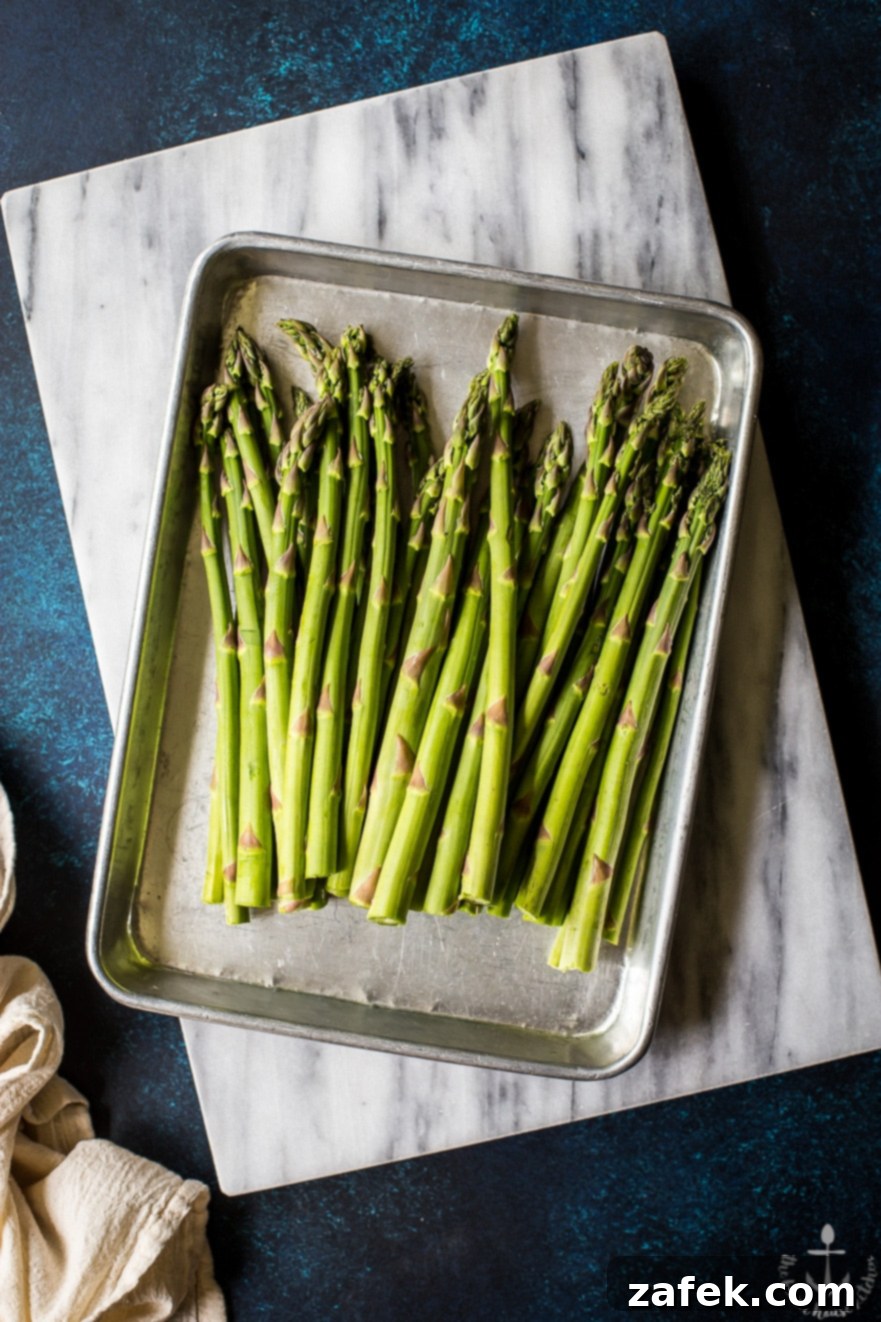
- Asparagus Preparation: Always snap off the woody ends of your asparagus stalks. They will naturally break where the tough part ends and the tender part begins. This ensures you only use the most palatable parts of the vegetable for your tempura.
- Batter Consistency: The key to a light tempura batter is not to overmix it. A few lumps are perfectly fine and actually desirable. Overmixing develops the gluten in the flour, leading to a tougher, chewier coating instead of a light, airy one. Keep the batter cold! Using ice-cold club soda and even chilling your flour before mixing contributes to the desired crispy texture by minimizing gluten development.
- Oil Choice: Canola oil is a great choice for deep frying due to its high smoke point and neutral flavor, which won’t overpower the delicate taste of the asparagus or the tempura batter. Other good options include vegetable oil or grapeseed oil.


Asparagus Tempura with Horseradish Cream Sauce
Print Recipe
Pin Recipe
Ingredients
Horseradish Cream Sauce
- 1 cup sour cream
- 1/4 cup mayonnaise
- 1/4 cup prepared horseradish
- 2 Tbsp. lemon juice
- 2 tsp. Dijon mustard
- 1/2 tsp. salt
- 1/4 tsp. freshly ground black pepper
- 1/4 tsp. paprika
- 1 dash of cayenne pepper
Asparagus Tempura
- Canola oil for frying
- 18 medium asparagus stalks, trimmed
- 1 1/4 cups all-purpose flour
- 1/4 tsp. baking powder
- 1/4 tsp. baking soda
- 1 1/4 cups cold club soda
- 1 Tbsp. olive oil
Instructions
Horseradish Cream Sauce
- In a medium bowl, combine all ingredients for the horseradish cream sauce: sour cream, mayonnaise, prepared horseradish, lemon juice, Dijon mustard, salt, black pepper, and paprika. Whisk them together thoroughly until the mixture is smooth and all ingredients are well combined. For best flavor, allow the sauce to sit in the refrigerator for at least 1-2 hours, or preferably overnight, to allow the flavors to meld and develop. Store any leftovers in an airtight container in the refrigerator for up to 2 weeks.
Asparagus Tempura
- In a large, heavy saucepan or Dutch oven, add enough canola oil to fill the pan just over a third full. Attach a deep-frying thermometer to the side of the pan, ensuring the tip is submerged in the oil but not touching the bottom. Heat the oil over medium heat until it consistently reaches 375°F (190°C). Maintaining this temperature is crucial for achieving crispy, non-greasy tempura.
- While the oil is heating, prepare the tempura batter. In a separate medium bowl, whisk together the dry ingredients: all-purpose flour, baking powder, and baking soda. Once well combined, pour in the ice-cold club soda and the olive oil. Whisk gently until just combined. It’s important not to overmix the batter; a few lumps are perfectly fine and will contribute to a lighter, crispier tempura. The colder the batter, the better the results.
- Once the oil reaches the correct temperature, begin frying. Dip the trimmed asparagus stalks into the prepared tempura batter, one or two at a time, allowing any excess batter to drip off. Carefully add 3 or 4 battered asparagus stalks into the hot oil. Fry for approximately 70-90 seconds, or until they turn a beautiful golden brown and are crisp. Use tongs to gently turn the stalks as they fry to ensure even browning on all sides. Do not overcrowd the pan, as this will lower the oil temperature and result in soggy tempura. Work in batches.
- Once fried, remove the golden-brown asparagus tempura from the oil and immediately transfer them to a wire rack that has been placed over a baking sheet. This setup allows any residual oil to drain away, keeping your tempura exquisitely crisp. Continue with the remaining asparagus stalks, ensuring the oil temperature returns to 375°F (190°C) between batches.
- Serve the hot and crispy asparagus tempura immediately on a platter alongside the chilled horseradish cream sauce for dipping. Enjoy this perfect appetizer while it’s fresh!
Nutrition
Before your first bite, snap a photo and share! If you make this recipe, I’d love to see! Be sure to follow and tag @thebeachhousekitchen or use the hashtag #thebeachhousekitchen on Instagram!
Tempura batter adapted from Food Network.
This article and recipe are for informational and culinary enjoyment purposes only. Nutritional information is an estimate.